
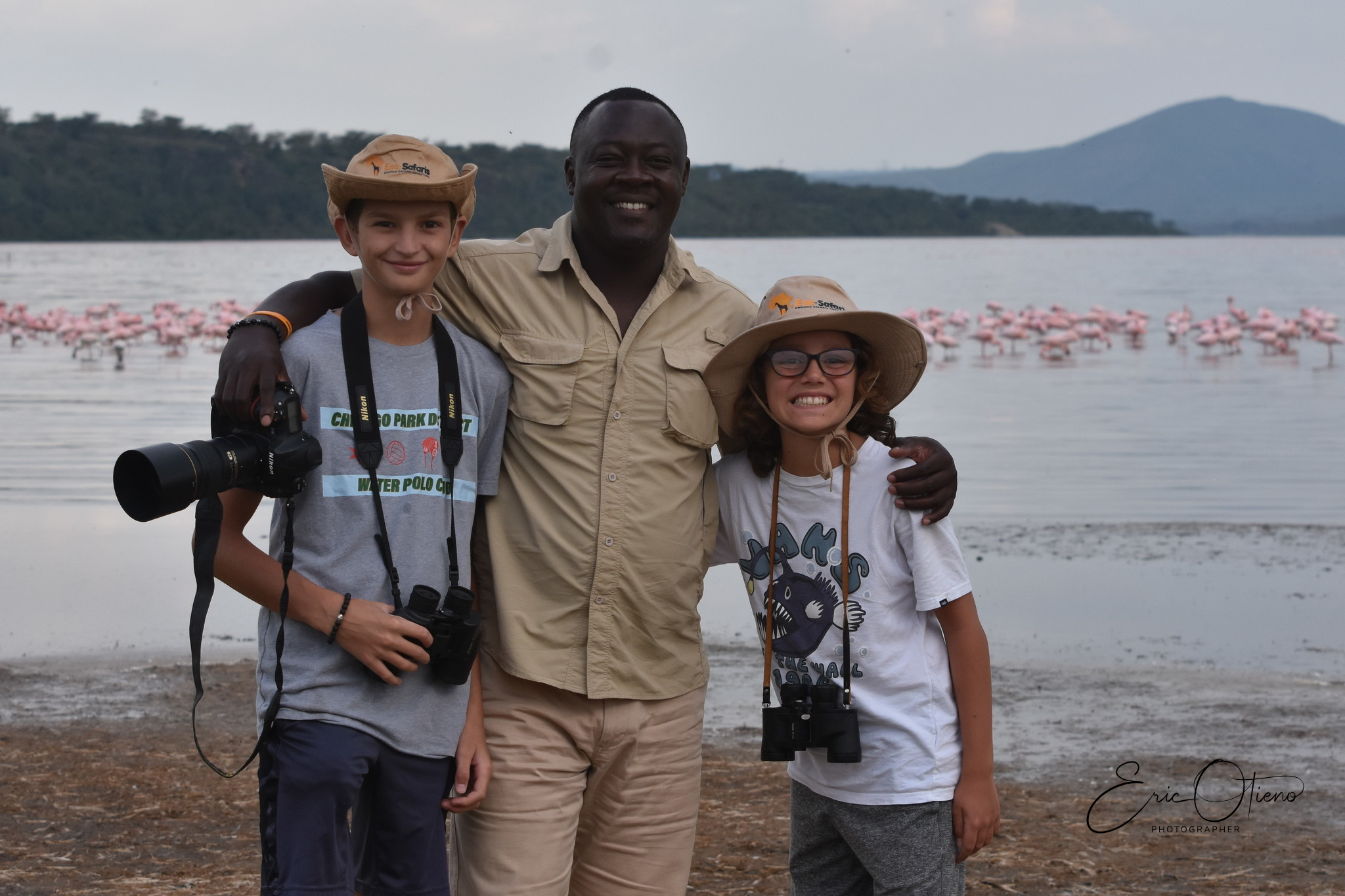
Many destinations have local legends connected with landscapes, animals and historical events. The best stories come from knowledgeable local guides who can explain the context.
Are there local legends about this place?
Many African landscapes have local stories connected with mountains, rivers, trees, animals and historical events. The most meaningful way to hear them is from a knowledgeable local guide or community host who can explain the story in its cultural context.
Legends can have several versions. Avoid presenting one retelling as a scientific fact or as the only interpretation shared by everyone in the community.
On an ESA Safaris journey, ask your guide about the places you pass. Stories often turn a viewpoint or landscape into something much more memorable than a name on a map.
Can I get a map of the places we are visiting?
Printed material may be available from some parks, lodges or visitor centres, but travellers should not depend on receiving a specific brochure.
ESA Safaris can provide itinerary information and route details, while official maps may be available from the relevant park or attraction. Download useful documents before travelling into low-connectivity areas.
A guidebook is helpful for background, but the guide on the ground will have more current information about roads, wildlife and operating conditions.
Use the confirmed itinerary as your practical reference
General travel advice is useful, but the confirmed itinerary is what determines your actual transfers, luggage conditions, meal plan and activity schedule. Read it before departure and raise questions while changes are still easy to make.
Keep key documents available offline. Remote areas may have weak connectivity, so the information you need most should not depend on opening an email at the last minute.
What this means for your itinerary
Maps may be available from parks, visitor centres or ESA Safaris' itinerary materials.
Use the map for orientation, but rely on your guide for current roads and access.
Build the itinerary around real days, not a list of attractions
A good itinerary is judged by how it feels on the ground. Two places that look close on a map may still require a long road transfer, an airstrip connection or an early departure. The most enjoyable routes leave enough time to experience each place rather than treating every day as a race between checklists.
When you speak with ESA Safaris, share the dates, group size, preferred comfort level and the experiences that matter most. That makes it easier to protect the important parts of the trip and remove detours that add cost or fatigue without adding much value.
Before you book or travel
- Share dates, group size, pace and top priorities before the route is fixed.
- Check travel time between destinations, not only the distance on a map.
- Keep the latest itinerary and travel contacts available offline.
- Leave some flexibility for rest and changing conditions.
Frequently Asked Questions
What information should I give ESA Safaris?
Share dates, group size, ages, budget range, interests, rooming needs and anything essential for comfort or accessibility.
Can an itinerary be customised?
Yes. Private itineraries can usually be adjusted around dates, pace, interests and accommodation preferences before services are confirmed.
How much free time should I include?
That depends on the traveller. A safari with some unscheduled time often feels better than filling every gap with another activity.
When should I book?
Book earlier for peak seasons, limited permits and small camps. The exact lead time depends on the route.
Use the details to plan the right route
Use this guide as a starting point, then ask ESA Safaris to confirm the details for your actual dates and itinerary. The final plan should reflect the traveller, the season and the services being booked.


